Nobody plans for a dental emergency. One minute your son is running around at the local reserve, the next he’s holding his mouth and there’s blood on his shirt. Or you bite down on something at dinner and a sharp jolt of pain tells you a filling has given way. When it happens in Ingle Farm, knowing what to do in the first few minutes can make a real difference to how the tooth is treated, and sometimes whether it can be saved at all.
This guide walks through the most common dental emergencies, what you should do before you can get to a dentist, and when a problem genuinely needs urgent attention rather than a wait-and-see approach.
What Counts as a Dental Emergency in Ingle Farm
Not every dental problem needs to be treated as an emergency, but some situations genuinely can’t wait. Knowing the difference helps you respond calmly rather than panicking, and it helps your dentist prioritise your care properly when you call.
Signs You Need Urgent Care
A true dental emergency usually involves one or more of the following: severe or worsening pain that isn’t controlled by over-the-counter medication, a tooth that has been knocked out or is visibly loose after an injury, heavy bleeding from the mouth that doesn’t settle after ten to fifteen minutes of pressure, facial swelling (particularly if it’s spreading or affecting your ability to swallow or breathe), or a broken tooth with sharp edges causing ongoing damage to the tongue or cheek. Any of these warrants a same-day call to an Ingle Farm Emergency Dentist.
Situations That Can Usually Wait for a Regular Appointment
Mild sensitivity, a small chip that isn’t causing pain, a lost filling that isn’t sensitive, or a slightly loose baby tooth in a child who is otherwise comfortable can usually wait for the next available regular appointment. It’s still worth calling the clinic to check, because what feels minor to you isn’t always minor from a clinical point of view.
What to Do If You Have a Knocked-Out Tooth
Of all dental injuries, a knocked-out (avulsed) tooth is the most time-sensitive. The Australian Dental Association recommends acting within thirty minutes for the best chance of saving a permanent tooth, so speed and correct handling matter more here than almost anywhere else in dentistry.
Pick the tooth up by the crown, which is the white chewing surface, and avoid touching the root. If it’s dirty, rinse it briefly in milk or saline, never tap water, and never scrub it. If you can, gently place the tooth back into its socket facing the right way and bite down softly on a clean cloth to hold it in position. If reinsertion isn’t possible, drop the tooth into a small container of milk, or have the person hold it against their cheek in their own saliva, and head straight to an emergency dentist.
One important exception: if it’s a baby tooth that’s been knocked out, don’t try to put it back in. Reinserting a baby tooth can damage the permanent tooth developing underneath, so simply keep your child comfortable and book them in to be checked.
What to Do for a Broken or Chipped Tooth
A chipped or fractured tooth can range from a cosmetic nuisance to a genuine emergency, depending on how deep the break is and whether the nerve is exposed. If you can, collect any broken tooth fragments and bring them with you. Rinse your mouth gently with warm water, apply a cold compress to the outside of your cheek to reduce swelling, and avoid chewing on that side of your mouth until it’s been assessed.
If the tooth is painful, sensitive to temperature, or you can see pink or red inside the break, that usually points to nerve involvement and needs same-day attention. A clean chip with no sensitivity can often be smoothed or restored at a routine visit instead.
Managing a Severe Toothache Before You See the Dentist
A sudden, severe toothache is one of the more common reasons people search for urgent dental care, and it’s rarely something to just push through. Rinse your mouth with warm salt water to clear any debris around the tooth, and use dental floss gently to check nothing is caught between your teeth. A cold compress against your cheek can help take the edge off swelling and discomfort.
Over-the-counter pain relief such as paracetamol or ibuprofen can help in the short term, provided you don’t have any allergies or contraindications, but avoid aspirin if there’s any bleeding involved, since it can thin the blood further. Avoid very hot or cold food and drinks, and try to chew on the opposite side. Persistent pain, especially if it’s throbbing, keeping you awake, or accompanied by swelling, usually points to an infection that needs prompt treatment rather than home remedies alone.
What to Do If a Crown or Filling Comes Loose
Losing a crown, veneer or filling isn’t usually as urgent as a knocked-out tooth, but it does expose the tooth underneath, which can be sensitive and vulnerable to further damage. Keep the piece if you can find it and bring it with you. In the meantime, avoid chewing on that side, keep the area clean, and steer clear of very sticky or hard foods. If the exposed tooth is sharp or causing pain, book an urgent appointment rather than leaving it, since food and bacteria can easily get underneath and cause decay.
Bitten Lip, Cheek or Tongue: First Aid Steps
Soft tissue injuries inside the mouth look alarming because they bleed heavily, even when they’re relatively minor. Apply firm, direct pressure with a clean cloth or gauze for ten to fifteen minutes, and use a cold compress on the outside of the cheek to bring swelling down. Most small cuts and bites settle on their own. If bleeding hasn’t slowed after fifteen minutes, the wound is deep or gaping, or you’re at all worried, it’s worth getting it checked rather than waiting.
When a Dental Emergency Signals a Bigger Problem
Sometimes what looks like a simple toothache is actually the early stage of a dental abscess or a more serious infection. Warning signs include a bad taste that won’t go away, a visible pimple-like swelling on the gum, facial swelling that’s spreading, or a fever alongside dental pain. Left untreated, dental infections can spread beyond the tooth itself, so these symptoms should always be treated as urgent rather than something to monitor at home.
Replacing a Tooth You Couldn’t Save
Even with fast action, not every tooth can be saved after a serious injury or long-term decay. When that happens, your dentist will talk you through the options for replacing it, and for many adults,dental implants offer one of the most natural-looking and long-lasting solutions. If you’ve lost a tooth through a dental emergency and you’re weighing up your options for Ingle Farm Dental Implants, it’s worth having that conversation early, since the state of the surrounding bone and gum tissue can affect what’s suitable and when treatment can begin.
Why an Emergency Dentist Who Knows Your Family Makes a Difference
Dental emergencies are stressful enough without having to explain your whole medical history to someone you’ve never met. Being able to call a clinic that already knows your family, your children’s dental history and any conditions you’re managing means your Ingle Farm Dentist can make faster, more informed decisions about your care. It also tends to mean a calmer experience for anxious kids and adults alike, since familiar faces and surroundings go a long way when someone is in pain.
How Pristine Dentistry Handles Dental Emergencies
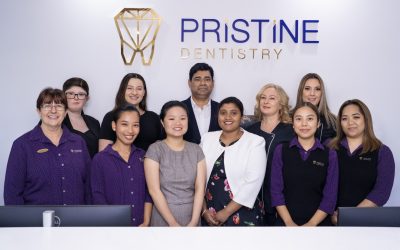
At Pristine Dentistry, we keep appointment slots open every day specifically for emergencies, with same-day emergency appointments available until 10am. Whether it’s a knocked-out tooth from weekend sport, a cracked crown, or a toothache that’s kept you up all night, our team is set up to see you quickly and get you comfortable again. As an Ingle Farm Dental Clinic, we’ve been part of this community for more than 35 years, so chances are we already know your family, and if we don’t yet, we’ll make sure that first visit feels welcoming rather than clinical.
Preventing Future Dental Emergencies
While not every emergency can be avoided, plenty can. A properly fitted mouthguard for contact sports protects against knocked-out and chipped teeth far more effectively than a generic, store-bought one. Regular check-ups catch small problems like weakening fillings or developing decay before they turn into after-hours emergencies, and avoiding habits like chewing ice or using your teeth as tools removes a surprising number of common causes of dental trauma.
If you’re ever unsure whether what you’re dealing with counts as an emergency, it’s always better to call and ask than to wait it out. Our team can talk you through what to do over the phone and get you in as quickly as your situation needs. Beyond emergency care, we also offer the full range of family dental services, so once you’re out of pain, we can help make sure it doesn’t happen again.
Disclaimer: This article is general information only and isn’t a substitute for advice from a qualified dental professional. Every injury and mouth is different, so please contact our clinic or seek prompt medical attention for guidance specific to your situation.e relationship with dental care.